

Hospitality Insurance Online :: News
SHARE

Share this news item!

What Bushfire Resilience Ratings Mean for Farmers

Practical lessons for protecting rural homes, sheds and livelihoods

What Bushfire Resilience Ratings Mean for Farmers?w=400

The information on this website is general in nature and does not take into account your objectives, financial situation, or needs. Consider seeking personal advice from a licensed adviser before acting on any information.

More Australian insurers are now recognising household bushfire resilience ratings, a development rural and regional property owners should watch closely as risk-based pricing becomes more visible across the insurance market.
NAB and CommBank insurance brands have joined the program, alongside existing participants including NRMA Insurance and Suncorp, meaning a significant share of the home insurance market is now engaging with assessed bushfire mitigation.

The scheme, developed by the Resilient Building Council, allows householders to assess bushfire exposure and identify practical upgrades that may reduce risk. Reported premium benefits have varied widely, with some households achieving modest annual savings and others seeing larger reductions where verified improvements materially changed their risk profile. The important point for farmers is not that every property will receive a discount, but that insurers are increasingly looking for evidence of resilience, maintenance and hazard reduction.

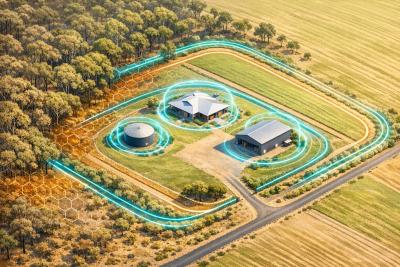
For family farms, the homestead is often only one part of a much broader risk picture. Machinery sheds, hay storage, fencing, fuel, livestock yards, workers’ accommodation and access roads can all affect how a fire event plays out. A bushfire rating tool designed for homes will not replace a full farm risk review, but it may give rural households a useful framework for thinking about defendable space, ember protection, building materials, water access and ongoing maintenance.

The next phase could be even more relevant. A proposed national multi-hazard self-assessment app is being considered for risks including storm, flood and heatwave, with a possible launch in mid 2027 if funding is secured. That direction aligns strongly with what many producers already know from experience: one season’s main concern may be fire, while the next may be flood, hail, drought stress, power failure or extreme heat.

Farmers reviewing cover should treat resilience work and insurance placement as connected decisions. Before renewal, it is worth documenting mitigation measures, retaining invoices and photos, checking sums insured, and confirming whether improvements can be recognised by the insurer. Where a property combines domestic, commercial and agricultural exposures, it can also help to compare farm insurance options rather than assuming a standard rural home policy is enough.

The broader message is clear: affordability is no longer just about shopping for a cheaper premium. It is also about showing that a property is actively managed, maintained and prepared for worsening natural hazard conditions. If your farm includes bushfire-prone land, older buildings or mixed-use infrastructure, now is a timely moment to talk with a broker about how resilience measures, policy wording and claims expectations fit together.

Published:Tuesday, 7th Jul 2026
Author: Paige Estritori

Please Note: We do not endorse any specific products or companies. Some content is sourced from third parties, including press releases, and may not be independently verified for accuracy or completeness.

Share this news item:

Rate this article

0 Comments

No comments yet. Be the first to share your thoughts.

Insurance News

What Bushfire Resilience Ratings Mean for Farmers
07 Jul 2026: Paige Estritori
More Australian insurers are now recognising household bushfire resilience ratings, a development rural and regional property owners should watch closely as risk-based pricing becomes more visible across the insurance market. NAB and CommBank insurance brands have joined the program, alongside existing participants including NRMA Insurance and Suncorp, meaning a significant share of the home insurance market is now engaging with assessed bushfire mitigation. - read more
PSC Move Signals Stronger Competition in Transport Insurance Broking
07 Jul 2026: Paige Estritori
PSC Insurance Brokers’ investment in MA Insurance Brokers is a timely reminder that specialist transport insurance advice is becoming increasingly valuable in a tighter, more complex market. The deal, announced in late June 2026, sees MA begin operating as PSC Transport Insurance Brokers, while founders Barry Mathison and Mariann Illyes retain an equity stake and continue leading the business as managing principals. - read more
QBE’s Trade Pack Change Puts Renewals in Focus for Tradies
07 Jul 2026: Paige Estritori
QBE’s decision to stop offering its standalone office and trade pack products from July 2026 is a timely reminder for Australian tradies to treat every renewal as more than a simple rollover. The insurer is moving customers towards a standard business cover structure, with existing trade pack policyholders expected to be offered the replacement product at renewal from October 2026. - read more
Road User Charging Reform: What It Could Mean for Truck Operators
06 Jul 2026: Paige Estritori
Road user charging is moving from policy theory to a more serious industry conversation, with a new ITS Australia survey pointing to growing support for replacing fuel excise with a distance-based funding model. For transport operators, this is not just a tax discussion. It could change how fleets calculate running costs, compare vehicle types and plan margins on long-term freight contracts. - read more
Stolen Tools Ruling Shows Why Policy Limits Matter
06 Jul 2026: Paige Estritori
A recent Australian Financial Complaints Authority decision is a timely warning for trade businesses that rely on tools, trailers and mobile equipment every day. The dispute centred on a business that had tools and a trailer stolen from a worksite, then challenged the insurer’s payout after discovering the claim was limited by the portable items section of the policy. - read more


Hospitality Insurance Articles

Tips for Finding the Best Hospitality Insurance Coverage
Tailored insurance is a type of insurance policy that's specifically designed to meet the unique needs of a particular business or industry. Unlike one-size-fits-all policies, tailored insurance provides a more customized approach, ensuring that the coverage fits the specific risks and requirements of the business. - read more
Understanding Hospitality Insurance: Considerations for Aussie Business Owners
Hospitality insurance is a crucial component for businesses within the hospitality sector, offering coverage for a range of incidents that could potentially derail operations. It's designed to protect establishments like hotels, restaurants, and event venues from various risks such as liability claims, property damage, and interruption of services. - read more
Essential Insurance Types Every Cafe Owner Should Consider
Running a cafe is more than just serving delightful coffee and snacks; it's about creating an experience and ensuring that experience is safeguarded. While the hospitality industry can be incredibly rewarding, it's not without its risks. This is where the importance of insurance comes into play, acting as a crucial safety net for cafe owners. - read more
Why Tailored Insurance is Essential for Your Hospitality Business
In the bustling world of hospitality, the right insurance can make all the difference for your business. Tailored insurance, as the name suggests, involves customising your insurance policy to meet the specific needs and risks associated with your industry. This personalised approach ensures that you are not overpaying for unnecessary coverage while also safeguarding your business against potential threats. - read more
What Hospitality Business Owners Need to Know About Income Protection Insurance
The Australian hospitality industry is renowned for its vibrancy, yet it also faces significant challenges. With fluctuating demand, seasonal changes, and unpredictable external factors such as economic downturns and pandemics, hospitality businesses often operate in a high-risk environment. For hotel operators, the stakes are even higher due to substantial investments in property, staff, and customer service. - read more

Knowledgebase
Aggregate Limit:
The maximum amount an insurer will pay for all covered losses during a policy period.