

Hospitality Insurance Online :: News
SHARE

Share this news item!

Why Lithium Battery Fire Risk Matters for Tradies

Insurers are watching battery storage, charging habits and risk controls more closely

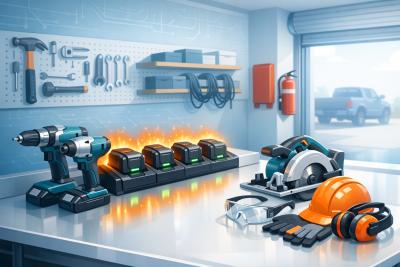
Why Lithium Battery Fire Risk Matters for Tradies?w=400

The information on this website is general in nature and does not take into account your objectives, financial situation, or needs. Consider seeking personal advice from a licensed adviser before acting on any information.

Lithium-ion batteries are now part of everyday trade work.
They power cordless tools, site lighting, testing equipment, drones, portable power stations and, for some electricians and solar installers, the systems being installed for customers.
A fresh insurance industry analysis has again highlighted why this technology is not just a convenience issue, but a serious risk management issue for businesses.

The concern centres on thermal runaway. In simple terms, this is when a battery failure generates heat and flammable gases that can rapidly escalate into fire or explosion. The original industry discussion focused heavily on large battery energy storage systems used in the renewable energy sector, but the lesson is highly relevant to trade businesses that charge, transport or store multiple batteries in vans, workshops, garages and site containers.

For tradies, the practical question is not whether lithium-ion batteries should be avoided. They are too useful and too embedded in modern work. The question is whether the business can show sensible controls if something goes wrong. Insurers are increasingly interested in charging practices, storage conditions, separation from combustible materials, maintenance records and whether damaged batteries are removed from use quickly.

This matters because a battery incident can trigger more than one type of loss. A workshop fire could damage tools, stock, customer property, vehicles and the premises itself. A site fire could lead to third-party property damage or injury allegations. A destroyed tool set could also create downtime if the business cannot complete booked jobs. That makes it important to review tool cover, property cover, public liability insurance and any business interruption protection as connected parts of the same risk picture.

Trade business owners should also think about sums insured. Battery-powered tools and chargers can add up quickly, especially where a crew uses multiple kits across several vehicles. Keeping an up-to-date asset list, photos, receipts and serial numbers can make a major difference at claim time. If values have crept up, it may be worth establishing insurance sums insured again rather than relying on last year’s figures.

Simple controls can help. Charge batteries on non-combustible surfaces, avoid overnight charging where possible, keep batteries away from heat and moisture, follow manufacturer instructions, do not use swollen or damaged packs, and consider how batteries are secured during transport. Businesses working with solar, EV charging or larger storage systems may need more formal procedures and professional assistance to match their risk profile with suitable cover.

The takeaway for tradies is clear: lithium-ion batteries are useful, but they should be managed like any other business-critical hazard. Good habits may reduce the chance of a fire, and good insurance planning may reduce the financial shock if one occurs.

Published:Wednesday, 22nd Jul 2026
Author: Paige Estritori

Please Note: We do not endorse any specific products or companies. Some content is sourced from third parties, including press releases, and may not be independently verified for accuracy or completeness.

Share this news item:

Rate this article

0 Comments

No comments yet. Be the first to share your thoughts.

Insurance News

What Genetic Testing Reform Could Mean for Life Insurance
22 Jul 2026: Paige Estritori
Australia’s life insurance sector is preparing for a significant shift in how genetic test information may be treated during applications. The Federal Government has been moving towards stronger restrictions on insurers using adverse predictive genetic test results when assessing life insurance, a change designed to reduce fears that medical insight could later become a financial disadvantage. - read more
Why rural heavy vehicle safety matters for insurance
22 Jul 2026: Paige Estritori
The National Heavy Vehicle Regulator’s latest focus on agricultural heavy vehicle safety is a timely reminder for farm, livestock, grain and regional freight operators: safety standards are not just a compliance issue. They can also shape claims outcomes, business interruption, liability exposure and future access to affordable truck insurance. - read more
Why Lithium Battery Fire Risk Matters for Tradies
22 Jul 2026: Paige Estritori
Lithium-ion batteries are now part of everyday trade work. They power cordless tools, site lighting, testing equipment, drones, portable power stations and, for some electricians and solar installers, the systems being installed for customers. A fresh insurance industry analysis has again highlighted why this technology is not just a convenience issue, but a serious risk management issue for businesses. - read more
Why the Simple Advice Push Matters for Your Cover
22 Jul 2026: Paige Estritori
Australia’s life insurance sector has renewed its push for consumers to receive simpler help with the cover they already hold, particularly through superannuation. The Council of Australian Life Insurers has again argued that many people need clearer, more accessible guidance about insurance inside super, including death, disability and, where available, income protection insurance. - read more
AFCA Decision Highlights Limits on Recovering Income Protection Payments
22 Jul 2026: Paige Estritori
A new Australian Financial Complaints Authority decision has offered an important reminder for anyone relying on income protection insurance through work or super: once benefits have been paid, an insurer generally needs a strong and clearly evidenced basis before asking for that money back. - read more


Hospitality Insurance Articles

Why Tailored Insurance is Essential for Your Hospitality Business
In the bustling world of hospitality, the right insurance can make all the difference for your business. Tailored insurance, as the name suggests, involves customising your insurance policy to meet the specific needs and risks associated with your industry. This personalised approach ensures that you are not overpaying for unnecessary coverage while also safeguarding your business against potential threats. - read more
Essential Insurance Types Every Cafe Owner Should Consider
Running a cafe is more than just serving delightful coffee and snacks; it's about creating an experience and ensuring that experience is safeguarded. While the hospitality industry can be incredibly rewarding, it's not without its risks. This is where the importance of insurance comes into play, acting as a crucial safety net for cafe owners. - read more
What Hospitality Business Owners Need to Know About Income Protection Insurance
The Australian hospitality industry is renowned for its vibrancy, yet it also faces significant challenges. With fluctuating demand, seasonal changes, and unpredictable external factors such as economic downturns and pandemics, hospitality businesses often operate in a high-risk environment. For hotel operators, the stakes are even higher due to substantial investments in property, staff, and customer service. - read more
Tips for Finding the Best Hospitality Insurance Coverage
Tailored insurance is a type of insurance policy that's specifically designed to meet the unique needs of a particular business or industry. Unlike one-size-fits-all policies, tailored insurance provides a more customized approach, ensuring that the coverage fits the specific risks and requirements of the business. - read more
Understanding Hospitality Insurance: Considerations for Aussie Business Owners
Hospitality insurance is a crucial component for businesses within the hospitality sector, offering coverage for a range of incidents that could potentially derail operations. It's designed to protect establishments like hotels, restaurants, and event venues from various risks such as liability claims, property damage, and interruption of services. - read more

Knowledgebase
Reinsurance:
Insurance that an insurance company purchases from another insurance company to mitigate risk.